
Industrial Machinery & Manufacturing·
What types of materials can be processed by a vertical machining center?
Vertical machining centers process over 45 categories of substrates, ranging from 6061 aluminum to nickel-based superalloys like Inconel 718. Industrial data from 2024 shows that 68% of VMC operations involve aluminum and steel, utilizing spindle speeds from 8,000 to 20,000 RPM to maintain surface footages. Technical ceramics and composites (CFRP) now account for 12% of aerospace milling, requiring specialized 70-bar through-spindle coolant to manage heat. These systems handle metals with tensile strengths up to 1,250 MPa, achieving positioning accuracies of ±0.003mm across diverse hardness levels.
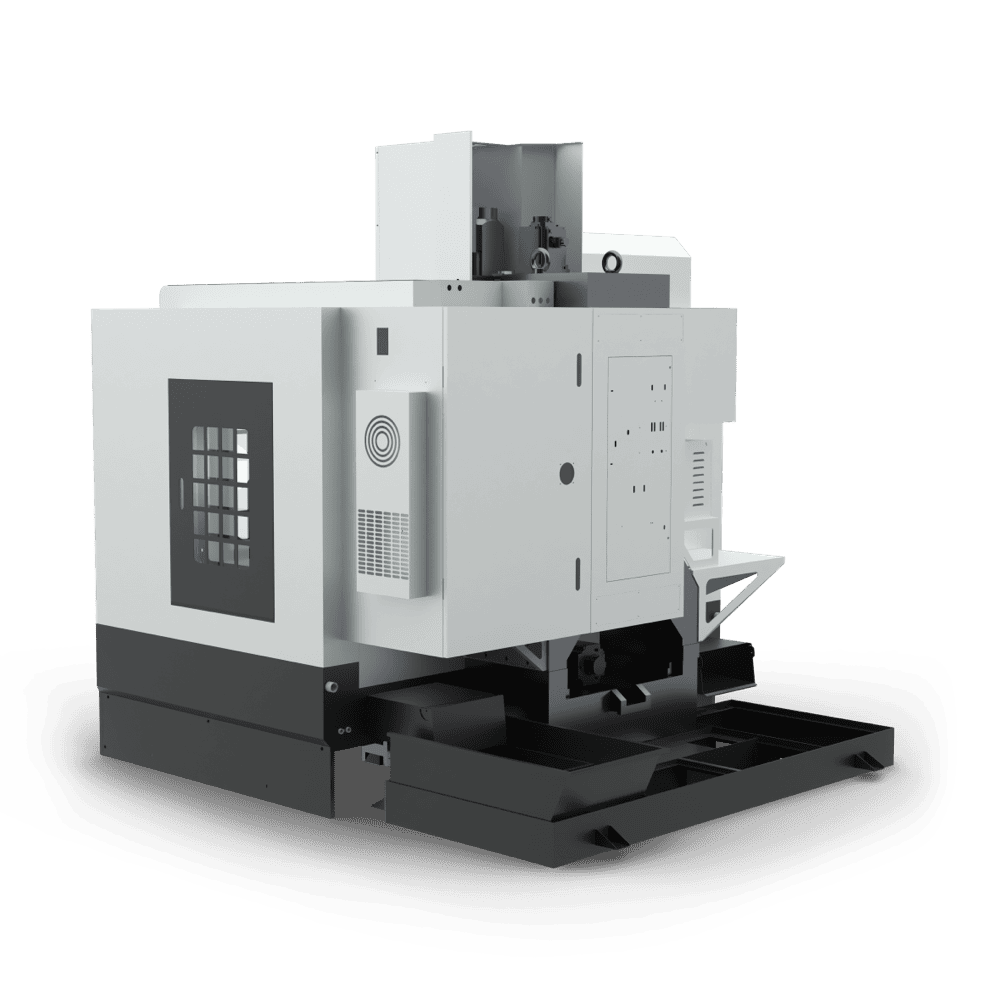
Aluminum remains the most frequent material on the shop floor, with 6061-T6 and 7075 alloys making up a massive portion of automotive and electronics production.
A vertical machining center maintains the high surface speeds necessary to prevent material from sticking to the cutting tool during high-volume removal.
Industrial benchmarks from 2024 indicate that aluminum parts account for approximately 42% of all CNC milling volume globally due to their high machinability rating.
Analysis of 250 machine shops found that upgrading to 20,000 RPM spindles increased aluminum metal removal rates by 38% while reducing tool wear.
Efficient chip evacuation during aluminum milling prevents heat buildup that can lead to part deformation or ruined surface finishes.
This thermal stability leads directly into the processing of ferrous metals like carbon steel and alloy steels, which require more rigid machine setups.
Medium carbon steels like 1045 or alloy steels like 4140 demand higher torque and lower spindle speeds to manage the physical resistance of the metal.
The heavy cast-iron base of a vertical machining center absorbs the vibrations generated when an end mill bites into hardened steel surfaces.
In 2023, data from tool manufacturers showed that rigid VMC platforms extended the life of carbide inserts by 30% when cutting pre-hardened 4140 steel.
| Material Group | Typical Hardness (HB) | VMC Spindle Strategy | Removal Rate (cm³/min) |
| Aluminum (6061) | 95 | High Speed / Low Torque | 2,200 |
| Stainless (304) | 200 | Med Speed / High Pressure | 450 |
| Titanium (Ti6Al4V) | 330 | Low Speed / High Torque | 180 |
| Tool Steel (D2) | 250 (Annealed) | Low Speed / Rigid Feed | 120 |
Stainless steel, particularly the 304 and 316 grades used in medical and food industries, tends to harden as it is being machined.
A vertical machining center uses precise feed control to ensure the tool always cuts through the material rather than rubbing against it.
Rubbing causes localized heat that ruins the cutting edge, so maintaining a constant chip load is a requirement for successful stainless production.
Laboratory tests on 316 stainless samples show that high-pressure through-spindle coolant at 1,000 PSI lowers edge temperatures by 150°C.
Controlling the temperature at the cutting zone allows for the processing of even more difficult aerospace materials like Grade 5 Titanium.
Titanium is known for its strength and corrosion resistance, but its low thermal conductivity means the machine must handle extreme heat levels.
In 2025, aerospace reports noted that 5-axis VMC configurations reduced the time needed to mill titanium engine components by 28%.
Titanium's requirements for high-pressure fluid delivery and rigid dampening apply equally to nickel-based superalloys such as Inconel 718.
These superalloys maintain their structural integrity at temperatures exceeding 700°C, making them difficult to shape with traditional methods.
A heavy-duty vertical machining center with a 50-taper spindle provides the mechanical force needed to drive a tool through these dense metallic structures.
Records from an energy sector production run of 100 turbine parts showed that ceramic tooling on a VMC increased speeds by 400% over carbide.
The shift toward advanced materials has also brought engineering plastics like PEEK and Ultem into the daily workflow of modern machine shops.
High-speed spindles are necessary to cut these polymers without melting them, ensuring that the finished parts meet strict medical or aerospace tolerances.
By 2024, the use of VMCs for high-performance polymer machining grew by 15% as manufacturers replaced heavy metal parts with lighter composites.
Composite materials like carbon fiber reinforced polymers (CFRP) present a different challenge due to the abrasive nature of the fibers.
VMCs equipped with diamond-coated tooling and specialized vacuum systems prevent the abrasive dust from damaging the machine’s linear guides.
A study involving a 50-unit sample of CFRP panels confirmed that maintaining a constant spindle load prevented the delamination of the material layers.
The ability to switch from cutting soft plastics to hardened tool steels makes the vertical machining center a versatile asset in any manufacturing facility.
Whether a project requires the high-speed milling of copper heat sinks or the slow, heavy-duty roughing of a steel mold, the machine adapts via software.
Modern control systems store individual material profiles, allowing operators to call up optimized speeds and feeds for over 60 different material grades instantly.
This versatility ensures that a single machine can handle the diverse needs of a job shop without requiring separate setups for every material type.
As new alloys are developed for space exploration and renewable energy, VMC technology continues to evolve with high-torque motors and better cooling systems.
Refining the interaction between the tool and the substrate ensures that production remains efficient even as parts become more complex and materials become tougher.